
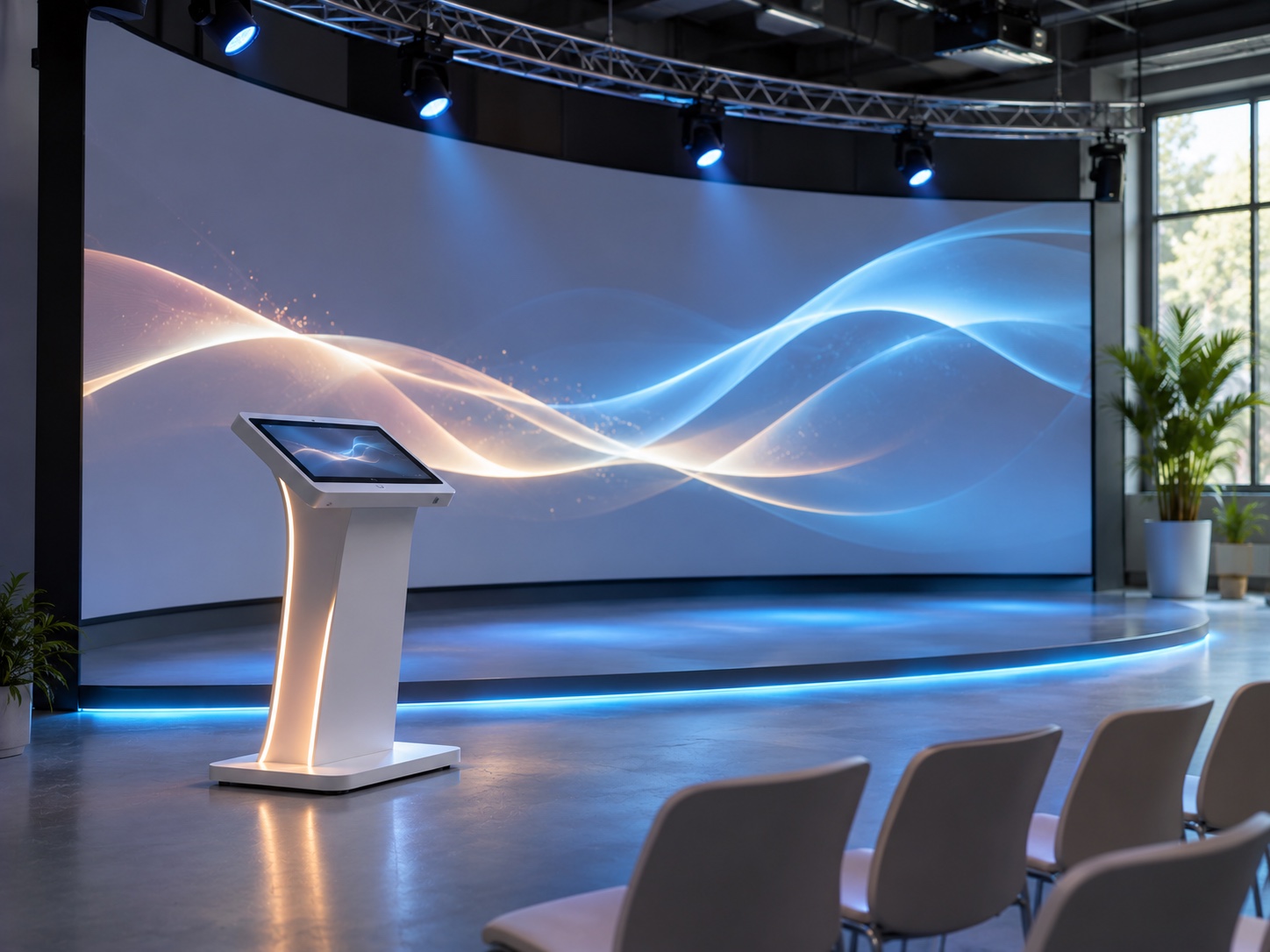
Most of what we build has been built before, somewhere, by someone. The part of Mersibo that keeps us interested is the brief where that is not true: the client who wants a toy that answers back, a wall that reacts to the crowd, a statue that breathes, a brochure that plays a film. We say yes to those because the design studio, the workshop and the technology team are in one company, so an idea can be prototyped on a Tuesday and shown on a Thursday.
Things we have been asked to make work
Mascots that move and speak. Kinetic logos and walls driven by motors and sensors. Holographic product reveals and projection onto objects. AR that brings a printed package to life. Gifts with microcontrollers, lighting and sound inside. VR training for procedures that are expensive to rehearse for real. Toys built on voice and vision modules. Each started as a sketch and a question about whether it was possible.
How we take a risk sensibly
Innovation at a deadline is a discipline, not a mood. We build the uncertain part first, as a rough working prototype, before the finish or the structure is designed around it. We test for hours on the bench, in the heat, with the power cut and restored. We design a fallback into the show so that if a sensor fails on launch night, the piece still looks finished. And we tell you early when an idea will not work as described, with the version that will.
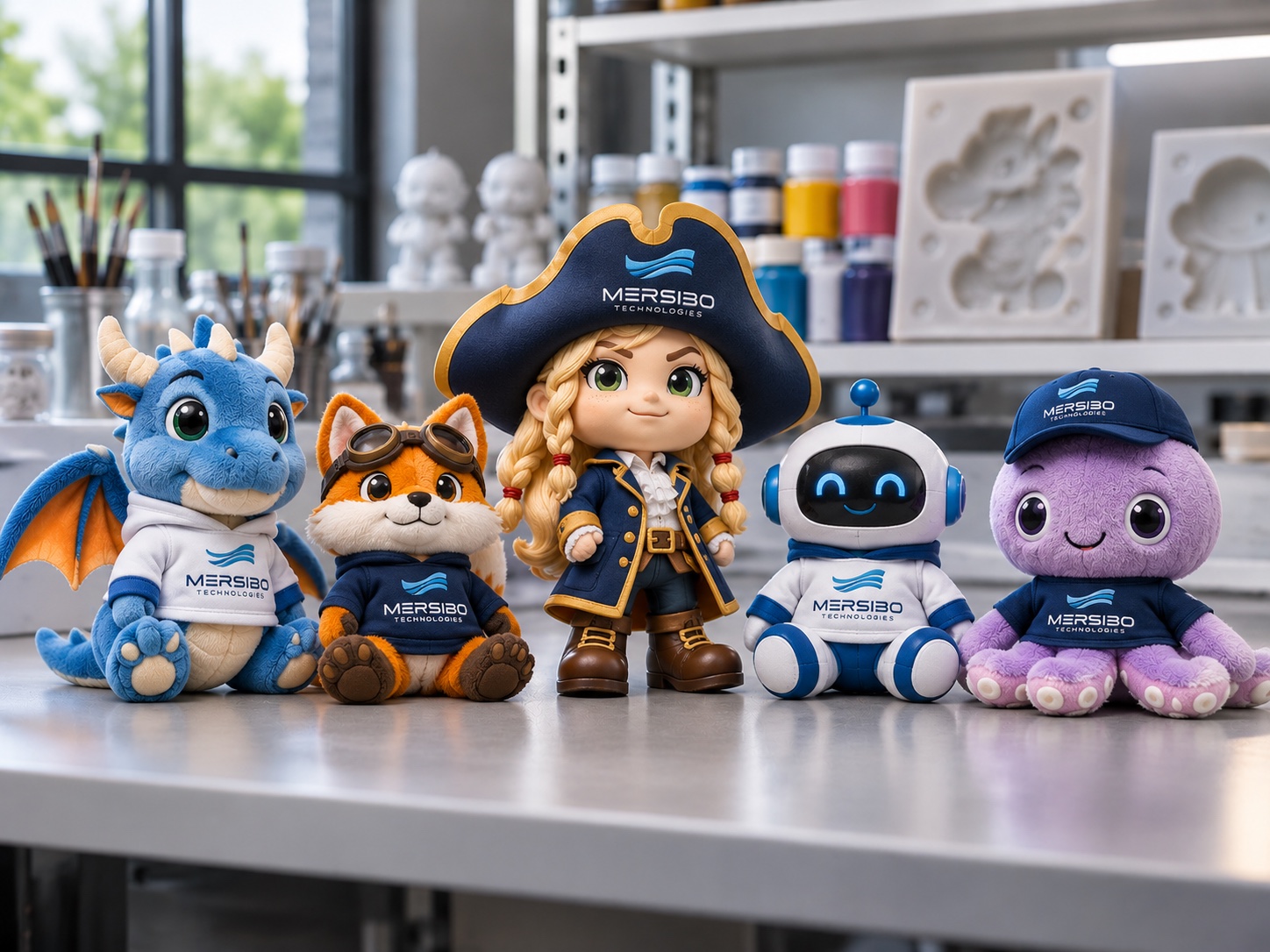
Prototypes for your own product
The same approach serves companies with an idea and no factory: a functional prototype that looks and behaves like the final product, iterated quickly with 3D printing and custom electronics, ready for testing, investors or a trade show, and then taken to small-run production when the design is proven.
Bring the odd brief
If a request has been turned down elsewhere as too unusual, it is probably the one we would most like to see.